You know your patient's unique needs. We know advanced design & manufacturing for Orthopedics. Partner with ALM Ortho for devices designed for osseointegration — precision-manufactured for each case.
This product is a custom device made to meet the specific needs of an individual patient or physician. It is not generally available and is subject to the FDA's Custom Device Exemption under Section 520(b) of the FD&C Act. This product is for prescription use only. This is not a substitute for standard medical devices and should be used only as directed by a qualified healthcare provider. Use is restricted to sale by or on the order of a physician. This device is a custom device and is subject to FDA Custom Device Exemption regulations.
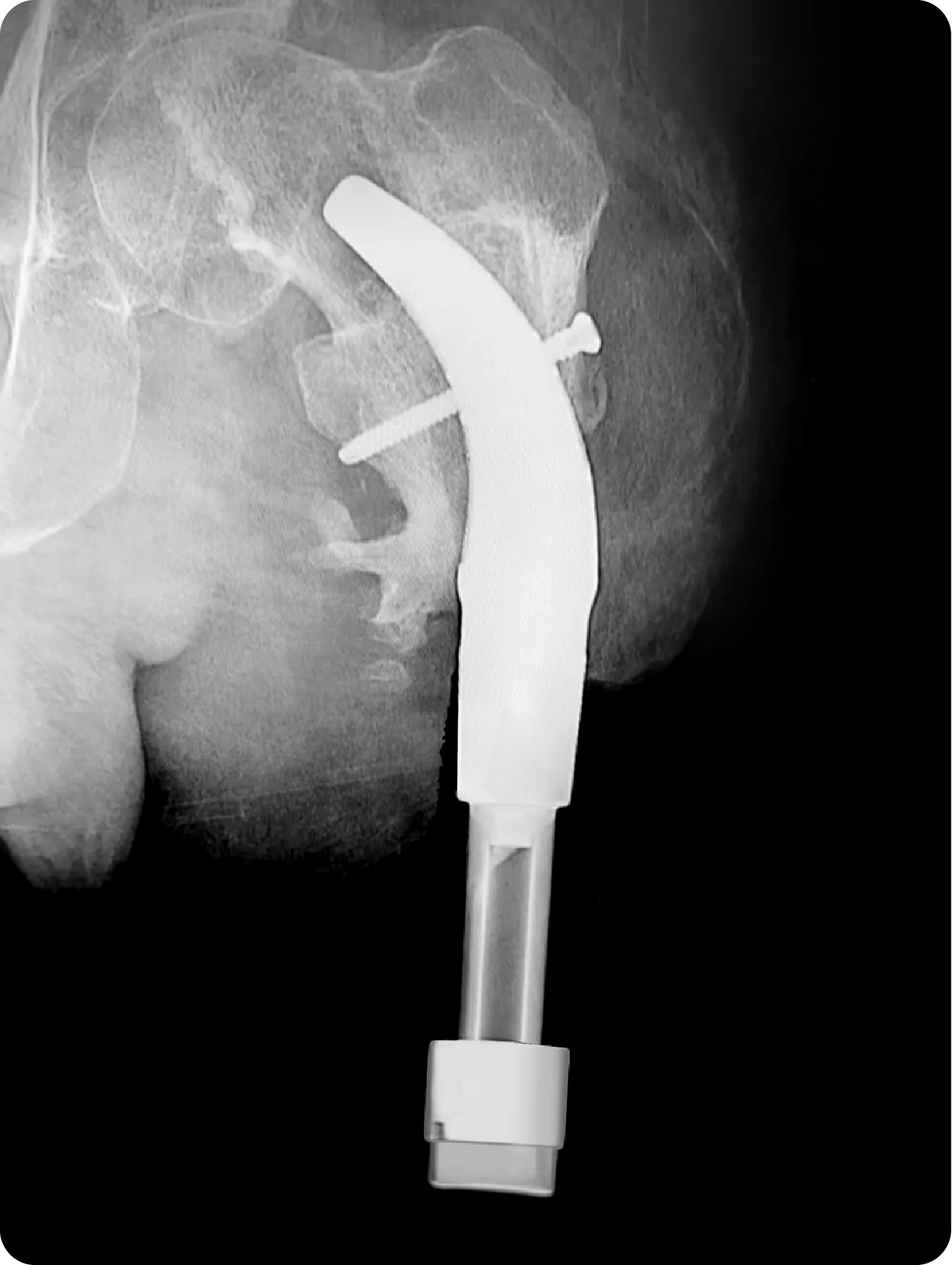
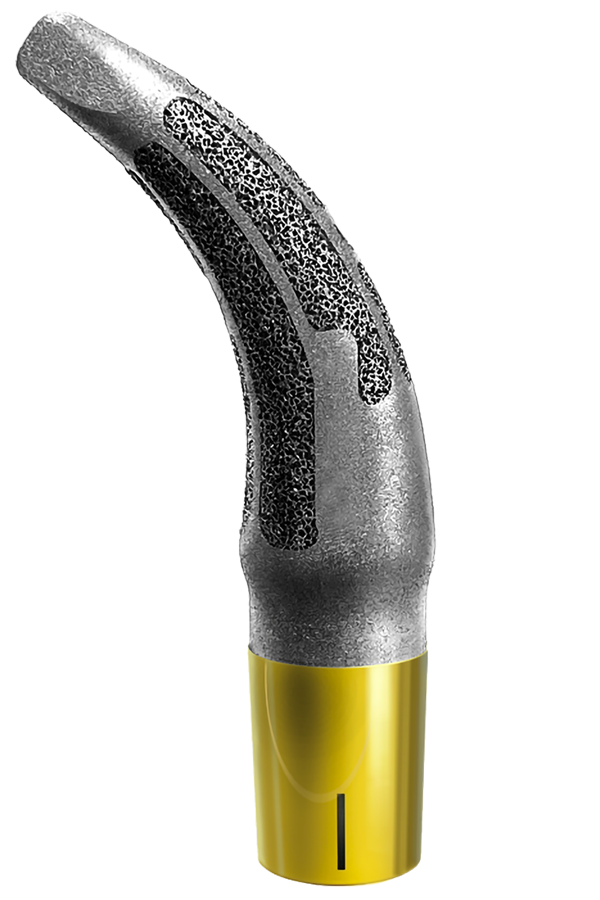
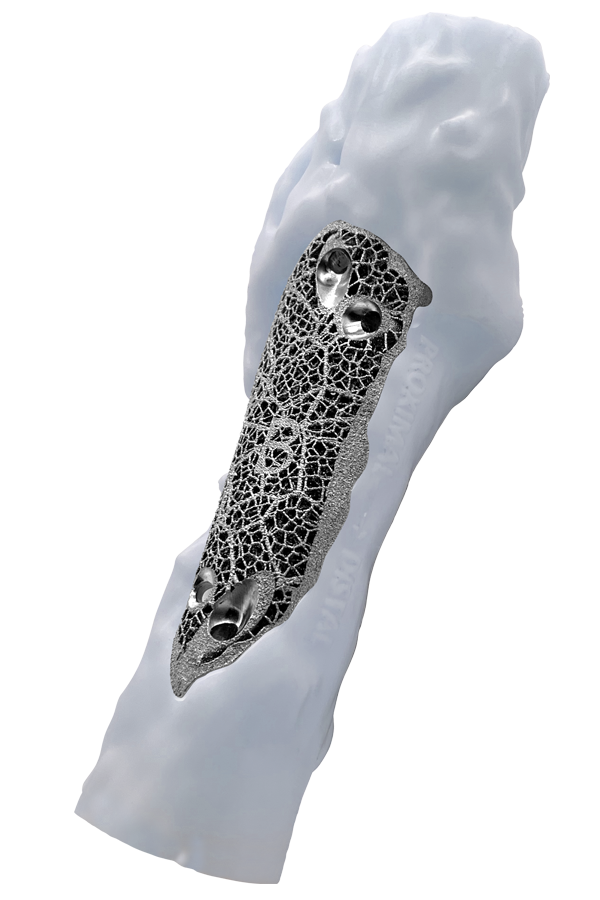
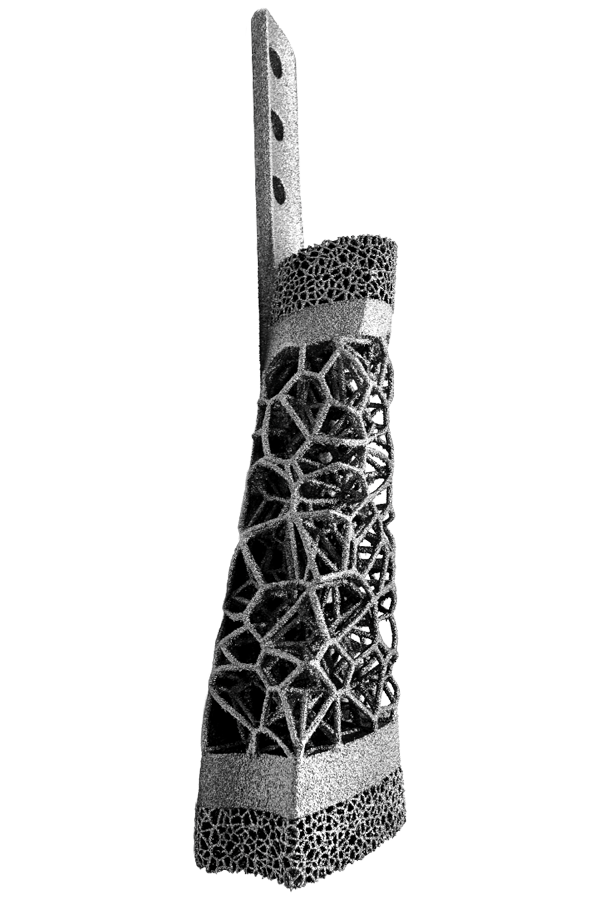
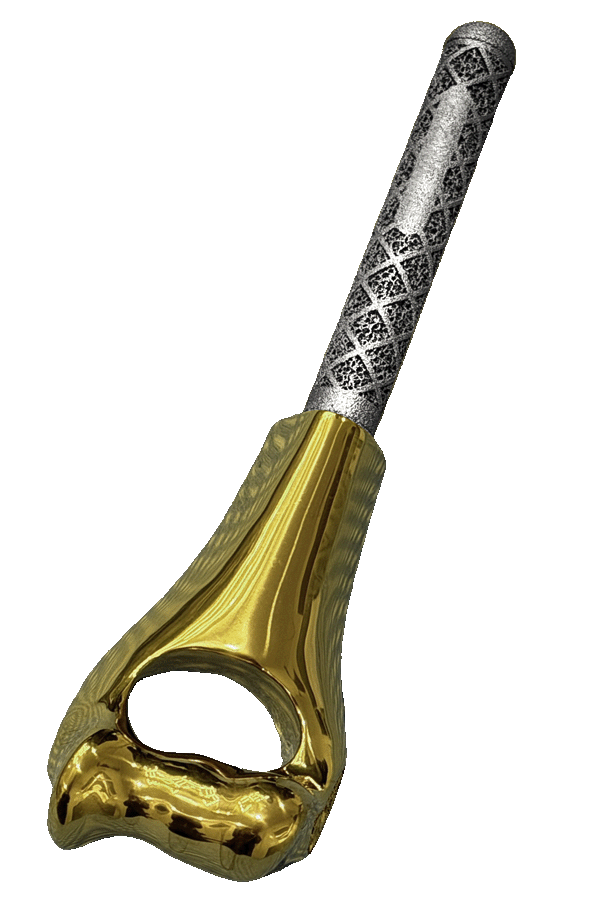
Limb lengthening and reconstruction cases present anatomy that rarely conforms to standard device geometry. ALM Ortho works directly with surgeons to engineer and manufacture patient-matched upper and lower extremity solutions — designed from the patient's own imaging data and built to fit the anatomy, the correction, and the case.
ALM Ortho's patient-matched solutions address the full spectrum of limb reconstruction needs — from isolated joint failure to multi-component revision requiring significant bone augmentation.
Oncologic reconstruction presents some of the most demanding geometric challenges in orthopedics. When bone is lost to tumor resection, the residual architecture is often irregular, asymmetric, and entirely unlike any standard catalog device.
Standard trauma devices are designed around population averages — but fracture patterns are not average. Pelvic ring injuries, iliac wing fractures, and multi-fragmentary long bone cases often require hardware that standard systems simply cannot accommodate.
ALM Ortho engineers patient-matched trauma solutions directly from the patient's CT scan for cortical contact, screw trajectory, and geometry supporting the surgeon's plan.
Revision cases are defined by what came before — prior devices that have loosened or failed, hardware that no longer holds, and bone stock compromised by previous surgery. The residual anatomy rarely matches anything in a standard revision catalog.
ALM Ortho engineers each revision solution directly from the patient's imaging data, designing for the bone that remains with the goal of restoring fixation and structural integrity.
Titanium is a trusted material with a long history for orthopedic reconstruction. Electron Beam Melting technology now allows it to be shaped with unprecedented control.
Electron beam melting produces a porous titanium structure with interconnected pore geometries designed to approximate the architecture of natural cancellous bone. Pore sizes greater than 300 microns are supported in peer-reviewed literature as favorable for enhanced bone formation and vascularization, consistent with the principles of osseointegration research.11. Karageorgiou V, Kaplan D. Porosity of 3D biomaterial scaffolds and osteogenesis. Biomaterials. 2005;26(27):5474–5491.